
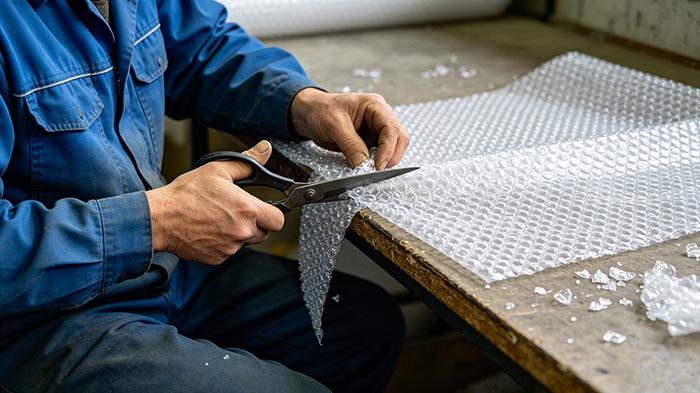
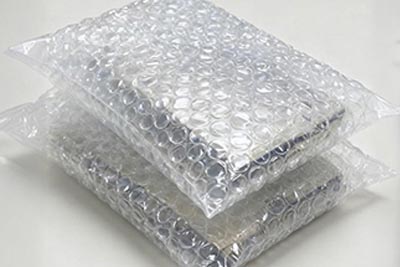
Every morning, Sarah packs dozens of fragile items – ceramics, electronics, small gifts – and she’s tired of cutting bubble wrap by hand. “It takes forever, and the waste piles up,” she says. Like many small business owners or busy shipping departments, she needs a machine that can produce bubble bags on demand, but the market offers dozens of options. How do you pick the right one for daily use without overspending or buying an industrial monster that sits idle?
One common mistake: buying a machine based on a single busy season. For daily needs, focus on sustained output. Ask yourself:
How many bubble bags do you actually use on a normal Tuesday?
What’s the typical bag length?
Do you need different bubble sizes?
A tabletop unit that produces 30 bags per minute might sound slow, but if your daily need is 500 bags, it’s done in under 17 minutes – plenty for most workshops. Conversely, a high-speed industrial line could be overkill and harder to maintain for intermittent use.
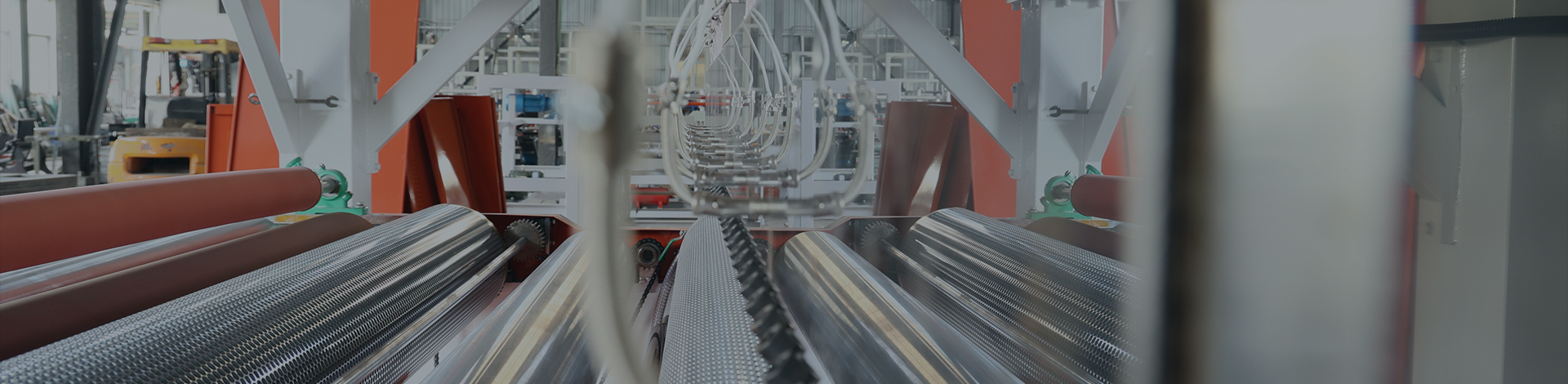
Most daily-use machines use a rotary hot‑roller system to seal and form air cushions. This is reliable for standard polyethylene film. However, if you often switch between different film thicknesses, look for a model with adjustable temperature control. Some budget machines overheat thin films, causing burst bubbles. A good indicator is the presence of thermostatic regulation – a feature worth paying a little extra for.
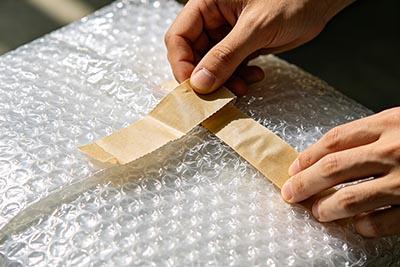
Daily operators love convenience. Does the machine accept common film widths? More importantly, can it handle pre-perforated rolls? That allows you to tear off individual bags without scissors – a huge time saver. Avoid machines that require proprietary, expensive film cartridges unless you have a fixed supplier.
A bubble bag maker for daily use must be easy to clean. Film residue and dust accumulate on the sealing roller. Check if the roller is removable without tools. Also, listen to the motor: brushed DC motors are cheaper but wear out faster in daily operation; brushless motors cost more upfront but last years longer. For a realistic benchmark, a well‑maintained daily‑use machine should run 500–1000 operating hours before any major service.
If your machine sits next to a packing station where staff work all day, noise matters. Many entry-level bubble bag makers exceed 85 dB – comparable to a busy street. Look for specs mentioning “≤75 dB at 1m” or “sound‑dampened casing”. Likewise, measure your table space. A compact unit fits easily, while a floor‑standing model with an unwinder stand might need dedicated space.
[Image: A clean packing station with a small bubble bag machine on a side table, rolls of film above]
Daily needs often vary – sometimes you want small 10×20 cm bags for screws, other times large 30×40 cm bags for books. Few machines handle extreme size ranges well. If your daily mix is diverse, consider two dedicated units instead of one jack-of-all-trades. Alternatively, look for a model with an adjustable sealing width and a length‑cutting dial. This flexibility is rare in sub-500machines, but available in mid-tier equipment.
Let’s walk through a practical decision tree for daily use:
Estimate average daily bags → under 500 → compact tabletop unit; 500–2000 → semi‑automatic with unwinder; over 2000 → fully automated roll‑fed system.
Film source → open standard rolls → choose a machine with adjustable tension; proprietary cartridges → verify long‑term cost.
Bubble quality → Do you need consistent 6mm or 10mm bubbles? Check the forming head design – a fine‑tooth roller creates uniform pillows.
After‑sales support – ask about spare parts availability. For daily use, you cannot wait weeks for a new roller.
Inconsistent seals: Usually caused by uneven roller pressure. Before buying, test with the exact film you plan to use. Some sellers only demo with premium film.
Slow warm‑up time: Daily use means multiple start/stop cycles. A machine that takes 10 minutes to heat up kills efficiency. Look for “quick‑start” or always‑on standby mode.
No batch counter: You’ll want to track daily output. Many budget machines omit this. A simple mechanical counter or digital display helps you plan refills.
If you’re currently using a hand‑held impulse sealer with pre‑made bubble bags, you already know the frustration – slow, inconsistent, and painful on the wrist. A dedicated bubble bag maker automates the sealing, perforation, and sometimes even the inflation. The jump in productivity is often 4–5x. For a daily volume above 200 bags, a basic electric unit pays for itself within three months.
When you evaluate a specific model, print this checklist:
| Factor | Ideal for daily use | Red flag |
|---|---|---|
| Warm‑up time | ≤ 2 minutes | > 5 minutes |
| Film width range | 200–400mm universal | Single proprietary width |
| Noise level | ≤ 75 dB | > 85 dB |
| Roller cleaning | Tool‑free removable | Requires screwdriver |
| Spare parts availability | Local or 3‑day shipping | Unknown or >15 days |
| Daily duty cycle | 4 hours continuous | 1 hour then cooldown |
Because you’ll use the machine repeatedly, safety features matter. Look for:
A protective guard that stops the roller when opened.
No exposed heating elements.
An emergency stop button within easy reach.
CE or UL certification.
These are not just compliance checkboxes – they prevent injury during hurried daily packing.
After helping dozens of small packaging operations choose their machines, we’ve seen that the best daily performers share three traits: modular heating systems, steel cutting blades, and clear film path guides.
If you’re looking for a balanced solution that handles typical workshop volumes without overcomplicating your workflow, you can explore reliable daily‑use bubble bag equipment here – they offer models with adjustable temperature, quick‑change rollers, and compatibility with standard film rolls. Many customers specifically mention how the compact design fits right into their existing packing stations.
No online guide can replace 30 minutes of hands‑on testing with your actual film. Ask the supplier for a short video of the machine running for your bag size. Better yet, request a sample unit if you’re buying for a daily production line. The right bubble bag maker won’t just save time – it will reduce packing stress and material waste, day after day.
Disclaimer: The information in this article is based on general industry experience and publicly available data. Always verify specifications with the manufacturer before purchasing. Performance may vary depending on film quality and operating conditions.
Note: The images in this article are for reference only.