
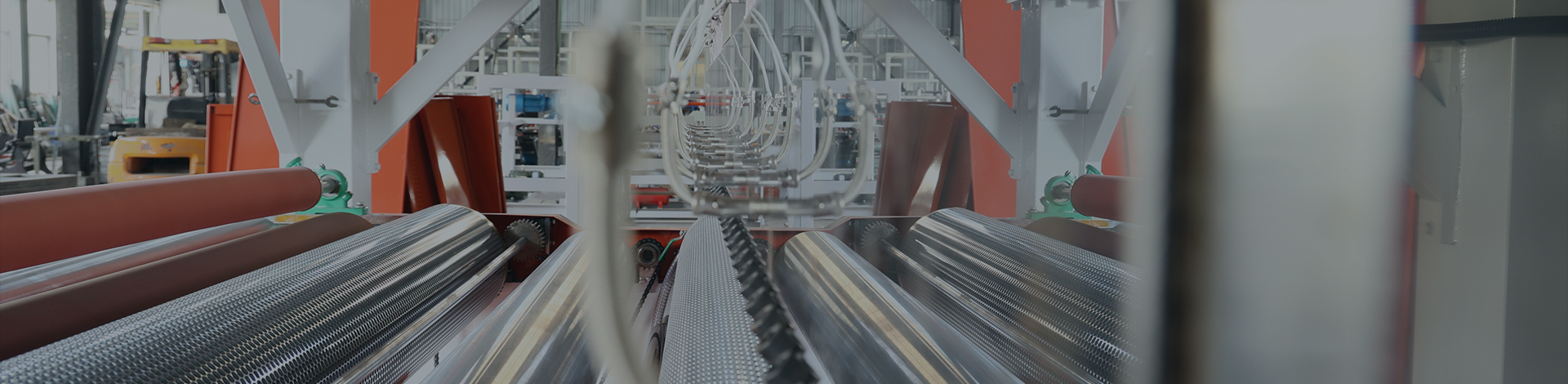
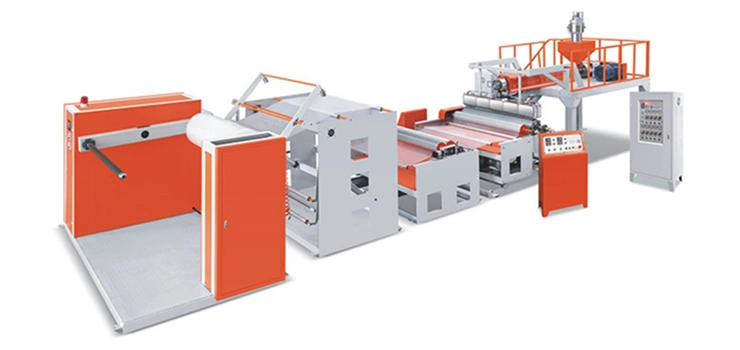
When an online order arrives with a shattered screen or dented corners, the immediate reaction is frustration—and a costly return. In logistics, protective packaging isn’t a commodity; it’s a risk management tool. Traditional pre-inflated bubble wrap consumes enormous warehouse space and limits flexibility. That’s why fulfillment centers and manufacturers are shifting to on-demand inflatable systems. A quality air bubble film machine produces cushions exactly when they’re needed, reducing storage volume by up to 90%. But beyond space savings, these systems shine in applications that go far beyond wrapping a single fragile mug. Understanding those real-world uses can help you decide if an on-demand setup fits your operation.
Online shoppers expect products to arrive intact, yet a parcel’s journey through carrier networks is full of drops, vibration, and compression. According to ISTA 3A testing protocols, packages can face impacts equivalent to a drop from approximately 30 inches. Fragile goods like ceramics, electronics, and glass bottles need dynamic cushioning—protection that absorbs energy without adding weight.
On-demand air cushioning allows packers to adjust bubble size and film thickness to the product’s weight. For example, a small electronics item might need a 10 mm bubble height with a 60-micron film, while a heavier ceramic vase may require 20 mm bubbles and an 80-micron film. Real-world experience confirms the impact: a mid-size e-commerce seller reduced its damage rate from 4% to 0.6% after switching from pre-formed bubble wrap to an air pillow system integrated directly with its pick-and-pack line. The key was the ability to change film types quickly—no more storing multiple bulky rolls.
When selecting a system, pay attention to how easily operators can swap films and whether the machine supports multiple protective levels. Certain professional configurations let you change rolls in under 30 seconds—a critical factor in high-volume operations. If you are mapping out your product fragility requirements, it helps to explore protective level specifications that match your typical shipment profiles.
Movement inside a shipping box is a hidden enemy. Even sturdy products can get scuffed or damaged if they shift during handling. Traditional void fill materials—polystyrene peanuts, crumpled kraft paper—bring their own headaches: peanuts scatter and create static, while paper often fails to lock items firmly in place under sustained vibration.
Air pillows produced by on-demand cushioning systems solve these issues. They are lightweight, clean, and provide consistent, predictable void filling. Because they’re made at the point of use, workers can produce pillows of varying lengths to snugly fill irregular gaps. Some machines offer a foot-pedal mode, keeping both hands free for packing. A 3PL warehouse manager once noted that after replacing paper fill with air pillows, pack speed increased by 25%—workers no longer spent time scrunching paper to fill awkward spaces.
If you’re evaluating equipment for high-throughput lines, look at the air pillow production rate (pillows per minute) and maximum film width. Wider film creates larger pillows that fill bigger voids faster. Systems capable of delivering 20 meters per minute can keep pace without becoming a bottleneck.
The rise of meal kits, fresh produce delivery, and pharmaceutical logistics places strict demands on temperature-controlled packaging. Air bubble film, often viewed only as a cushion, actually offers valuable thermal insulation: the trapped air inside bubbles acts as a barrier that slows heat transfer. Combined with insulated box liners, these cushions help maintain required temperature ranges during last-mile delivery.
According to FDA guidance on pharmaceutical cold chain distribution, packaging must keep products between 2 °C and 8 °C for a specified holdover time. Reflective or metallized air cushions can further improve thermal performance by reflecting radiant heat. A national meal kit company reported that switching to reflective air pillows extended its acceptable delivery window by two hours during summer—critical for reaching rural areas on warm days.
The operational benefit here is flexibility. Warehouse staff can switch from standard cushioning films to specialized thermal films in the same machine, avoiding separate equipment and extra training. When choosing a system, ensure it supports a wide range of film types without complex recalibration.
Protection isn’t only about absorbing shocks. High-value items such as furniture, automotive parts, and electronic components need scratch-free, dust-free surfaces. Air bubble film machines can produce low-slip, non-abrasive cushioning that guards polished wood, painted metal, and screen surfaces without leaving adhesive residue. Unlike stretch wrap, air cushions are easy to apply and remove, and when made with anti-static film, they generate no harmful static charge.
In electronics manufacturing, adherence to ANSI/ESD S20.20 standards requires prevention of electrostatic discharge. Anti-static pink or metalized bubble films, produced on demand, ensure consistent ESD protection without the struggle of managing multiple pre-made wrap SKUs. A contract manufacturer of server components shared that adopting an in-house inflatable cushion system eliminated the need for large inventories of specialty wraps—they simply load the correct film roll when switching product lines.
When vetting a machine for surface protection applications, verify its compatibility with specialty films: anti-static, VCI (volatile corrosion inhibitor), or low-linting materials. This versatility extends the system’s usefulness across multiple departments.
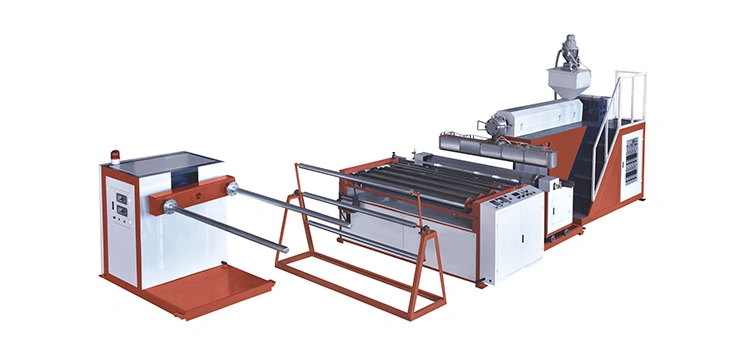
Industrial and e-commerce uses dominate the conversation, but air cushion machines also excel in smaller-scale environments. Retail stores can produce neat, clean cushions on site to protect glass ornaments or ceramic décor during shelf dressing and seasonal resets. For moving services, portable air cushion machines let crews wrap furniture and valuables directly in the truck, minimizing wasted space and avoiding disposal hassles later.
A furniture showroom manager noted that using an in-store air cushion system cut seasonal setup time by 30% compared to bulk bubble wrap, which always seemed to run out exactly when it was needed most. The “produce exactly what you need, when you need it” model fits perfectly here, reinforcing a theme that connects all five use cases: on-demand production eliminates storage headaches, curbs material waste, and gives teams instant, custom protection.
Not all bubble film machines are created equal. When comparing options, focus on these criteria:
Film compatibility: Can the machine handle various film types and thicknesses without wrinkling or jamming?
Production speed: Does the output pace match your peak packing throughput?
Ease of use: Intuitive controls, foot-pedal operation, and quick film-loading reduce operator fatigue.
Maintenance and support: Reliable after-sales service and available spare parts minimize costly downtime.
For operations looking toward automation, consider machines with digital counters and IoT-ready interfaces that log production data for sustainability reports. The right supplier helps you match these features to your specific workflow, rather than pushing a one-size-fits-all model.
If you are seeking a reliable partner in protective packaging, Ruikang has developed an air cushion system that balances robust construction with user-friendly design. Packaging engineers often highlight the machine’s ability to switch between film types rapidly—making it truly adaptable for both cushioning and void fill.
The growing adoption of on-demand inflatable packaging isn’t just about saving space—it’s about giving your operation control, consistency, and the flexibility to protect everything from artisan pottery to fresh salmon fillets or semiconductor wafers. Start by mapping your own product profiles to the use cases above, then evaluate systems against the technical realities of your packing line.
Ready to move from comparison to action? Ruikang’s approach is built around these real-world scenarios. Explore Ruikang’s solution to see how it fits your specific operation.