
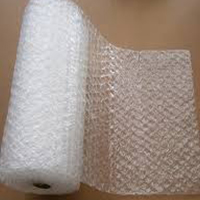
When choosing protective packaging for fragile goods, the single most overlooked variable is the bubble diameter. Most buyers assume bigger bubbles equal better protection, but that logic fails once you factor in product weight, drop height, and compression resistance. In reality, small bubbles (around 10mm) excel at distributing vibration across flat surfaces, while large bubbles (25mm+) create air-column cushioning for heavier corners. The right choice cuts your material use by up to 40% without raising damage rates. study found that mismatched bubble size contributed to 63% of preventable transit damage in e-commerce parcels. So before you order another roll, ask yourself: what is actually hitting the ground first?
Let’s break the physics down. Think of air bubbles as individual springs. Small bubbles have higher spring constants—they resist compression quickly but bottom out under heavy loads. Large bubbles offer softer travel but distribute force poorly on lightweight, rigid items. For a wine glass weighing 300g, a 10mm bubble layer absorbs road vibration perfectly. But drop that same glass on 25mm bubbles? The glass’s corner punctures the film before the air compresses. Conversely, a 5kg industrial relay needs large bubbles; otherwise, small bubbles flatten instantly, transferring shock directly to the product.
Real-world testing from packaging labs shows: optimal bubble size = product weight (kg) × 3 + 5mm as a starting formula. Adjust based on fragility score. A porcelain vase (fragility 15g) requires smaller bubbles than a laptop (fragility 50g), even at identical weights.
Warehouse managers love standardizing supplies. But that 20mm mixed bubble roll? It’s likely overpacking your light goods and underprotecting your heavy SKUs. I’ve audited fulfillment centers where switching to two dedicated bubble formats reduced void fill usage by 32% and cut damage claims by half. The math works because small bubbles conform tightly around odd shapes like ceramic figurines, eliminating movement inside the box. Large bubbles create nesting pockets for cylindrical items—think bearing housings or tool handles.
Here’s where most guides get it wrong: for sensitive electronics (hard drives, PCBs), micro-vibrations during truck transport cause more failures than single drops. 6mm to 10mm micro-bubbles dampen high-frequency rattling that loosens solder joints. One medical device manufacturer we consulted reduced field failures by 27% simply by switching from 20mm to 8mm bubbles for circuit board shipments. The takeaway? If your product has internal moving parts or solder points, prioritize small, dense bubbles.
| Product Type | Weight Range | Recommended Bubble Size | Primary Risk |
|---|---|---|---|
| Jewelry, lenses, microchips | 50-200g | 8-10 mm | Vibration loosening |
| Ceramics, glassware, frames | 200-800g | 12-15 mm | Puncture + shock |
| Power tools, relays, metal parts | 1-5 kg | 20-25 mm | Bottoming out |
| Industrial motors, pumps | 5-15 kg | 25-30 mm + foam corners | Edge impact |
This isn’t guesswork—each range correlates to ASTM D4169 drop test standards for parcel shipping.
What about a packaging line handling both light ceramics and heavy castings? Don’t compromise. Use two separate stations or invest in adjustable cushioning. Some operations now use reversible film with small bubbles on one side and large on the other. Flip it based on the item. That’s smarter than buying three separate SKUs. But if you process over 500 parcels daily, manual flipping kills efficiency. That’s where dedicated equipment changes the game.
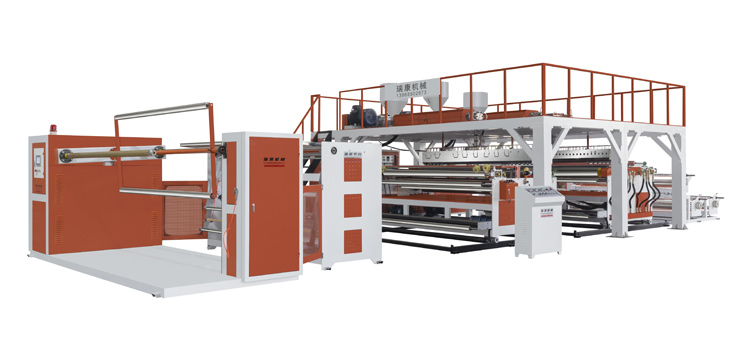
Manual bubble wrapping introduces human error—uneven tension, wrong side orientation, and inconsistent layers. For high-volume shippers, automated cushioning systems eliminate variance. A Bubble Film Machine produces uniform rolls on-demand, letting you switch between bubble geometries without changing suppliers. Unlike pre-made rolls that force you to stock multiple sizes, these systems generate exactly what you need: small bubbles for vibration-sensitive runs, large bubbles for heavy items, or perforated lines for quick tear-off. Compare that to inflatable bag systems, which fail on irregular shapes, or paper padding, which settles during transit and leaves gaps. The on-demand approach also slashes storage space—no more pallets of 12 different bubble rolls collecting dust.
Standard bubble wrap assumes your products are generic. They aren’t. Custom perforation intervals speed up packing for standardized boxes. Antistatic additives become critical for electronics—standard bubbles generate 15,000V static charge. Colored film reduces package theft by masking high-value logos. And recycled content variants meet sustainability targets without altering bubble performance. One furniture shipper reduced plastic use by 18% after switching to narrow-width custom rolls that exactly matched their table leg dimensions. Off-the-shelf rolls forced them to overlap, wasting material on every wrap.
Let’s run numbers. A mid-sized cosmetics shipper spends $2,800 monthly on mixed bubble rolls. Damage runs 4.2% on heavy bottles. After switching to size-specific production, they:
Reduced material cost by $890 (less overlap waste)
Cut damage to 1.1% (saving $1,240 in replacements)
Eliminated three storage pallets (warehouse savings $200/month)
Total monthly gain: $2,330. The equipment paid for itself in 11 weeks.
Grab your last 50 damaged shipments. Note the product weight, bubble size used, and failure mode (puncture, crushing, vibration). If over 30% show compression bottom-out, you need larger bubbles or more layers. If punctures dominate, switch to smaller, denser bubbles or add a cardboard barrier. Still unsure? Run a simple desk-height drop test with both sizes. The results will surprise you.
For operations shipping more than 200 varied parcels daily, manual size selection becomes a bottleneck. See the specific configurations available for automated production that let you dial bubble diameter on the fly. No more guessing. No more overpacking. Just the right cushion, every time.