
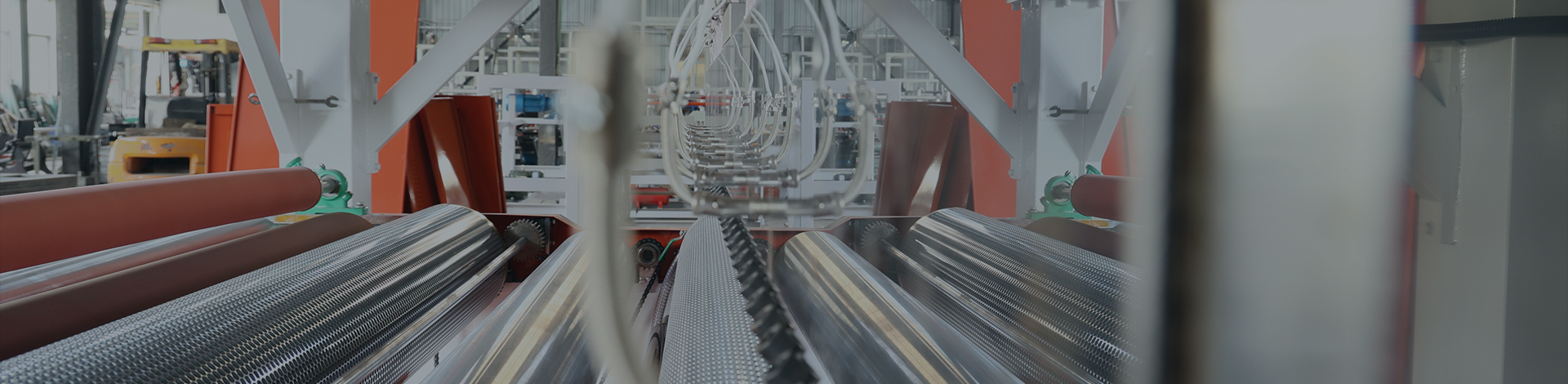
A packaging plant in Indonesia replaced its worn‑out single‑screw line with a twin‑screw double‑layer machine. The old line could only process recycled LDPE at 18 m/min before the bubble started collapsing; at higher speeds, the screw would clog and the bubble‑forming roll lost vacuum. The new bubble film machine runs the same recycled pellets at a sustained 50 m/min, with the bottom layer formed on a 33:1 twin‑screw and the bubble layer on a second, independently driven screw. Width increased from 1500 mm to 2500 mm, and the reject rate from uneven bubble height dropped by roughly 60 %. This article looks at the design choices that separate a recycled‑material‑capable line from a slow, clog‑prone single‑screw machine: the twin‑screw extruder configuration, the 33:1 L/D barrel ratio, the combined water‑and‑air cooling system, and the independent‑layer controls that let you dial in the bubble layer without disturbing the bottom web.
Single‑screw extruders with an L/D ratio of 25:1 or 28:1 rely primarily on barrel‑wall shear to melt polymer pellets. Recycled LDPE has a broader molecular weight distribution and more contamination than virgin resin. In a short barrel, the melt can remain inhomogeneous, with unmelted gel particles passing through the die and causing local bubble‑forming failure.
The YHPE‑ZLB double‑layer bubble film machine uses twin screws with a length‑to‑diameter ratio of 33:1. The longer barrel provides more mixing zones, allowing the twin screws to distribute shear more uniformly through the melt. The forced conveyance of a twin‑screw extruder reduces the shear sensitivity of recycled material, so the plant can run higher percentages of post‑industrial or post‑consumer recycled LDPE without reducing line speed.
| Model | Width (mm) | Screw Dia (mm) | Extruder Power (kW) | Speed (m/min) |
|---|---|---|---|---|
| YHPE‑1200 | 1200 | Φ65/Φ50 | 18.5/11 | 5‑30 |
| YHPE‑1600 | 1600 | Φ70/Φ55 | 22/15 | 5‑30 |
| YHPE‑1800 | 1800 | Φ70/Φ60 | 22/18.5 | 5‑30 |
| YHPE‑2000 | 2000 | Φ75/Φ65 | 30/18.5 | 5‑30 |
| YHPE‑2500 | 2500 | Φ80/Φ70 | 30/22 | 5‑30 |
*For extra‑wide heavy‑duty rolls, YHPE‑3500 (3500mm width, 5‑50 m/min, Φ105/Φ85 screws) is also available.*
The 33:1 ratio also helps with thermal stability. Recycled material often contains trace moisture and volatiles that can cause bubble collapse if they flash at the die. Additional mixing zones in a longer screw allow devolatilisation ports, which are absent on single‑screw extruders.
On a single‑screw bubble film machine, one extruder supplies the melt for the entire structure. The bottom web thickness and the bubble height are mechanically coupled by the single melt channel. If you increase extrusion speed to make the bubble layer thicker, the bottom layer also thickens, wasting base resin. If you slow down to reduce the bottom web, bubble‑forming pressure drops and the bubble collapses.
The YHPE‑ZLB double‑layer bubble film machine separates the two functions. A first extruder supplies the bottom web melt; a second, separately driven extruder supplies the bubble layer. The operator can adjust the bubble layer’s melt flow rate without changing the bottom web speed, and the twin‑screw design on each extruder independently processes recycled LDPE without contaminating the other layer.
Once the melt exits the die and the bubble‑forming roll impresses the air pockets into the molten web, the bubble shape must be frozen quickly to prevent collapse. The YHPE‑ZLB uses a combined water‑and‑air cooling system. Water cooling on the bubble‑forming roll extracts heat rapidly, fixing the bubble geometry. The subsequent nip roll uses air cooling only, which allows the film to continue moving without the surface wetness that would cause rewinder slippage.
A machine with uniform cooling for both stations runs into a contradiction: too aggressive cooling on the bubble roll fails to form a complete bubble; too gentle cooling on the bottom web leaves it too hot for the winding station. The split cooling strategy of the YHPE‑ZLB resolves this.
The product line spans a working film width from 1200 mm to 3500 mm. A 1200 mm line fits a mid‑sized packaging plant serving e‑commerce fulfilment centres; a 3500 mm wide machine allows production of furniture protective rolls and industrial vibration‑damping mats without edge slitting.
Width choice has a direct impact on your per‑kilogram conversion cost. A 3500 mm line running 2‑tonne rolls of cushioning film for furniture pads can produce double the hourly output of a 2000 mm line with roughly the same labour cost. Conversely, a plant that runs short‑run, narrow film for precision electronic components will waste energy running a 3500 mm line at 40 % utilisation.
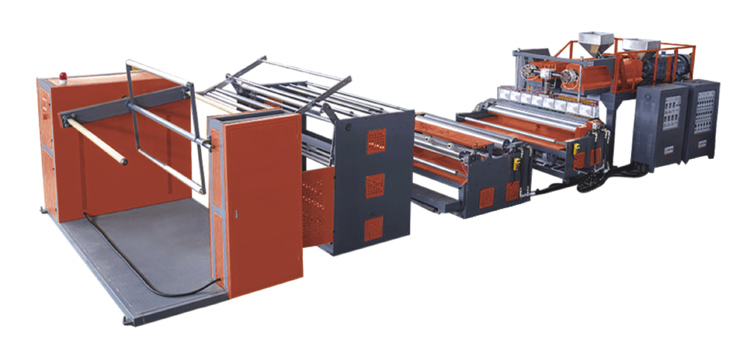
Bubble film converters measure waste in meters of under‑thick film that fails cushioning tests. The Ruikang double‑layer machine is built with CNC‑machined components that hold bubble film thickness error to ±0.05 mm. That tolerance means that on a 1000‑metre roll of 0.15 mm nominal thickness film, the total variation stays under ±0.05 mm.
For a packaging line feeding a fully automated case packer, thickness variation of ±0.1 mm can cause the bubble film to jam in the dispensing head, stopping the line every 200‑300 metres. A ±0.05 mm tolerance practically eliminates those jams, allowing the packer to run through entire pallets of rolls without intervention.
A plant manager tried running 50 % recycled LDPE on a single‑screw machine. After four hours, the vacuum bubble roll started losing hold because the melt inhomogeneity created local thin spots in the bubble layer. The machine’s standard screw was designed for 100 % virgin resin. On the YHPE‑ZLB twin‑screw bubble film machine, the 33:1 L/D ratio with two screws running in the same barrel creates a melt that is uniform enough to hold a steady bubble at the same percentage of recycled material.
A production line that kept the bubble roll recirculating too much cold water saw the bubble form correctly but delaminate at the winder because the bottom web cooled too fast. The YHPE‑ZLB’s water‑and‑air cooling split allows the bubble web to retain enough surface tack to adhere to the bottom layer, while the air‑cooled nip roll provides low‑friction transport to the rewinder. The plant adjusted the water chiller setpoint from 12 °C to 18 °C, and delamination stopped immediately.
A wide‑width bubble film line, if fitted with a take‑up motor that is undersized, cannot wind high rolls of heavy‑duty furniture padding. The motor torque limit determines the maximum roll diameter before the film stops advancing. In the YHPE‑ZLB specification, the take‑up motor ranges from 1.5 kW on the 1200 mm model up to 3 kW on the 2500 mm model. Using the full torque range allows winding 600‑metre rolls of 0.25 mm heavy bubble film without stopping for a core change every 200 metres.
Ruikang Machinery, with over 20 years in bubble film equipment, offers a two‑year warranty on the YHPE‑ZLB double‑layer series. The warranty includes spare wearing parts (heating bands, screen packs, sealing components) pre‑shipped with the machine, rather than leaving the customer waiting for spares from a central warehouse.
The 2‑year coverage period also comes with on‑site training by installation engineers. A converter in Russia that replaced two outdated single‑screw lines with a YHPE‑2500 in 2015 reports that the machine has run without extruder screw replacement for nearly a decade. The service included a material‑focused startup: the engineer ran recycled LDPE with 15 % of their own post‑industrial scrap, adjusted the twin‑screw temperatures, and left the plant with a production recipe.
[Image: Ruikang YHPE‑2500 double‑layer bubble film machine winding station with torque‑controlled motors, showing the full‑width roll at the take‑up position]
Ruikang Machinery (Wenzhou Ruikang Machinery Co., Ltd.), founded in 2003, has a 200+‑person team and holds over 40 R&D patents in plastic packaging equipment. Their bubble film machine range includes single‑layer lines for commodity packaging, the YHPE‑ZLB double‑layer twin‑screw series for recycled‑resin processing, and the YHPIEG‑7LB multi‑layer machine for 7‑layer co‑extruded bubble constructions.
The YHPE‑ZLB is built with advanced CNC machining of bubble‑forming rolls, a threaded screw material of 38CrMoALA nitrided high‑speed wear‑resistant alloy, and an L/D of 33:1 across the entire width range. The cooling system uses integrated water‑and‑air regulation to achieve bubble formation that is stable at line speeds of 5‑50 m/min. The winding station includes automatic tension control, final roll unloading assist, and a production counter.
For a bubble film machine that can process recycled LDPE at full width without slowing down or compromising bubble integrity, the YHPE‑ZLB double‑layer twin‑screw series covers 1200‑3500 mm widths, 5‑50 m/min line speeds, and comes with a 2‑year warranty plus on‑site training.
【Request a quote from Ruikang Machinery】
Send Ruikang your target film width, daily output requirement, and whether you plan to use recycled LDPE content higher than 30 % to get a twin‑screw configuration recommendation.