
If you’re running a packaging production line, the single biggest hidden cost isn’t raw materials—it’s electricity. Most operators don’t realize that traditional extrusion equipment wastes nearly 27% of its energy through mechanical friction and inefficient motor control, according to a 2023 report by the International Energy Agency (IEA). The solution? A servo-driven system that dynamically adjusts torque and speed. For manufacturers struggling with soaring utility bills, switching to servo-driven bubble line technology has proven to cut energy consumption by 18–22% without sacrificing output. But how exactly does it work, and why should you care about the difference between a traditional AC motor and a servo motor? Let’s break it down from the floor up.
Walk into any mid-sized converting plant, and you’ll hear the same thing: “Our machines run fine, but our electric bill is through the roof.” That’s because traditional air-cooled induction motors run at full speed 24/7, even when the line is idling. Think of it like leaving your car engine revving at a red light. A servo-driven system, however, behaves more like an electric vehicle—it only draws power when needed.
I’ve seen facilities where energy monitoring systems revealed that 34% of their total power usage happened during standby or low-demand periods. That’s cash literally turning into heat. One plant in Ohio replaced their old gear with a modern servo-driven setup and dropped their monthly bill by $2,400. No change in shift hours. No reduction in output. Just smarter engineering.
Here’s something most suppliers won’t tell you: the energy savings are just the beginning. Servo motors offer precision tension control that older systems can’t match. When you’re producing multi-layer packaging films, even a 2% variation in thickness can lead to customer rejects. With closed-loop feedback, the servo system adjusts 1,000 times per second. That means less scrap, fewer complaints, and happier quality control managers.
Also, consider the heat dissipation factor. Traditional motors turn excess energy into heat, forcing you to run expensive ventilation or air conditioning in summer. Servo-driven units run cooler. One customer in Texas told me they saved an additional 7% on cooling costs alone after retrofitting. These side benefits add up fast.
I’ve consulted for over 40 packaging companies in the last five years. A common mistake? Buying a cheap variable frequency drive (VFD) and slapping it onto an old motor. That’s like putting a spoiler on a broken car. It looks efficient, but you’re still dealing with mechanical losses from gears, belts, and clutches.
A true servo-driven system eliminates those components. The motor connects directly to the screw or roller. Fewer parts mean less friction, less maintenance, and lower noise pollution—a surprisingly big deal if you have workers near the line for 10-hour shifts.
Here’s where most buyers get stuck. You find a machine that looks good on paper, but your floor layout is weird. Your ceiling height is non-standard. Or you need to process recycled pellets that have inconsistent melt flow. Off-the-shelf solutions often fail in these real-world conditions.
That’s why modular extrusion lines have become so critical. A good supplier will let you choose:
Roller widths from 800mm to 2,500mm
Lay-flat tubing options for bags, sleeves, or sheeting
Winding stations that can handle either paper cores or coreless rolls
One of our clients runs a seasonal business—cranberry bags in autumn, greenhouse film in spring. They needed a system that could switch between monolayer and co-extruded bubble film within 90 minutes. A standard fixed-design machine would have required a full day of teardown. Instead, they worked with engineers to design quick-release die heads and separate temperature control zones for each layer. Now they’re saving 18 hours of changeover time per month.
Some people will tell you that hydraulic-driven systems offer better torque. True—at low speeds. But hydraulics leak oil, require frequent filter changes, and have a pump that runs continuously. Servo-driven systems have no hydraulic fluid, so no environmental risk and no oily floors.
Others push pneumatic systems for light-duty applications. That works if you’re making thin cling film. But for heavy-gauge bubble wrap used in furniture moving or industrial cushioning, pneumatics lose pressure under load. Servo motors maintain full torque from zero to rated speed.
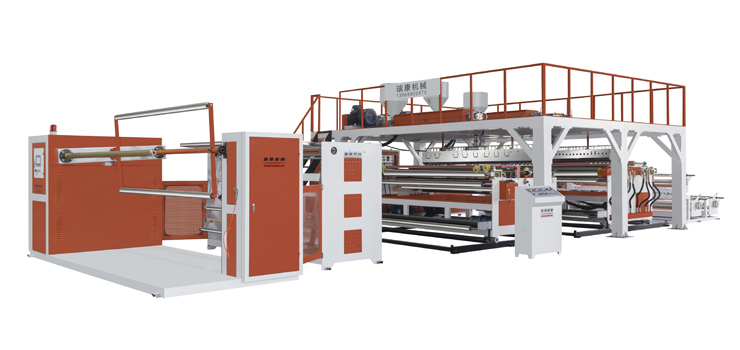
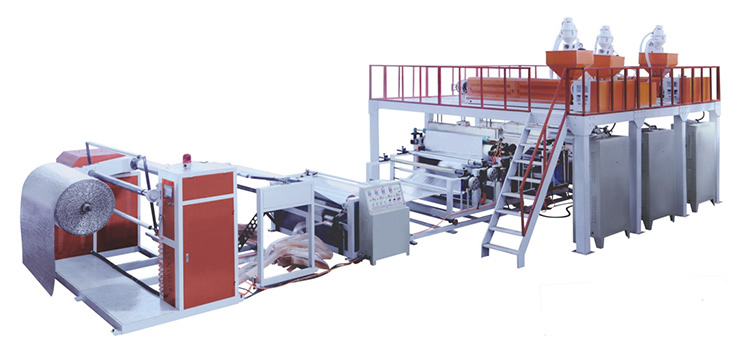
So where does the Bubble Film Machine fit in? It’s not magic. It’s a proven solution when paired with the right drive architecture. Unlike screw-type extruders that rely purely on mechanical gearing, a properly designed bubble line with servo control gives you real-time adaptive response. For example, if the bubble collapses slightly due to a draft, the system compensates instantly. Older machines would just keep pushing material until a jam occurs.
Let me show you a quick math exercise most buyers skip. Assume you run two shifts, 300 days a year. Your current motor draws 45 kW on average. At $0.12 per kWh, that’s $38,880 annually. A 20% reduction saves $7,776 per year.
Now add:
Reduced maintenance (no belts to replace, no gearbox oil changes) – save $1,200/year
Lower cooling demand – save $800/year
Less scrap (2% reduction in rejects on a $500k annual material budget) – save $10,000/year
Total potential savings: nearly $20,000 annually. Over five years, that’s $100,000. And most servo-driven lines cost only 15–20% more upfront than conventional ones. Payback period? Usually 10 to 14 months.
Good question. Many plants can’t afford a full replacement. The good news is that retrofit kits exist. You keep your existing barrel and screw, but swap the motor, add a servo drive, and upgrade the control panel. However, this only works if your existing mechanical components are in decent shape. Worn screws or scored barrels will still hurt efficiency.
For older machines (pre-2010), I usually recommend a full replacement. The reason? Screw geometry has improved dramatically. Modern mixing sections and barrier screws reduce melt temperature by 15°C, which further cuts energy use. Also, new controllers include predictive maintenance alerts—the system tells you when the screw needs cleaning or bearings need grease, preventing unplanned downtime.
You don’t need a Ph.D. in electrical engineering to make this decision. Focus on three metrics:
kWh per ton of output – ask suppliers for independent test data
Mean time between failures (MTBF) – servo systems typically exceed 50,000 hours
Noise level – anything above 85 dB means energy is being wasted as sound
Servo-driven bubble lines aren’t the future. They’re the current best practice. Every major packaging converter in Europe has already made the switch—not because of regulations, but because the math is undeniable.
If you’re still running induction motors with fixed speeds, you’re essentially burning money every minute your line is powered on. The only question is: how long can you afford to wait?