
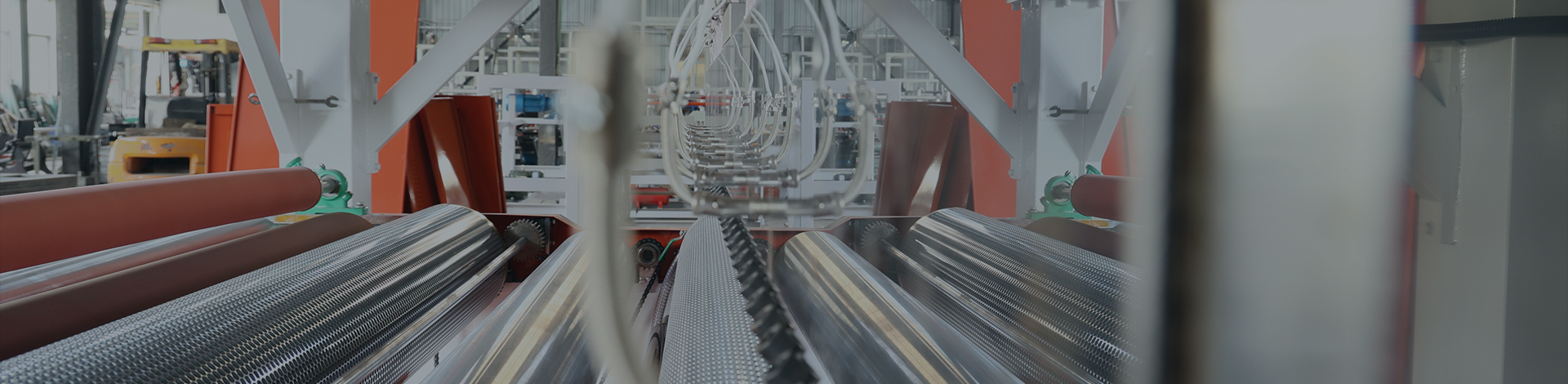
When your bubble wrap production line starts outputting inconsistent bubble sizes—large pockets alongside tiny ones in the same roll—you're facing a quality crisis that affects everything from customer satisfaction to material waste. Uneven bubble size compromises the protective performance of your packaging film, leading to damaged goods, increased material consumption, and production losses that directly impact your bottom line.
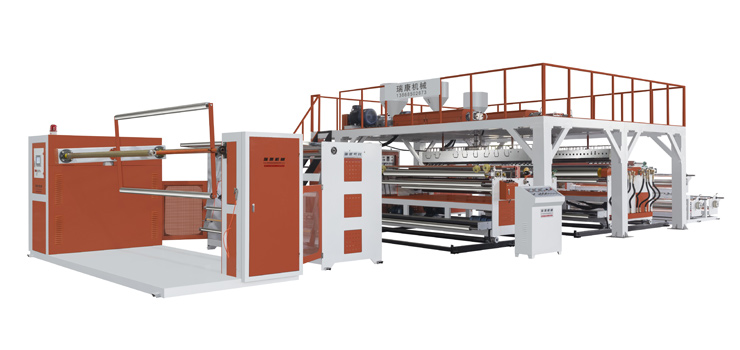
This guide provides a systematic approach to diagnosing and fixing bubble size inconsistency on your air bubble film machine. We'll walk you through a comprehensive checklist covering mechanical calibration, temperature management, air pressure optimization, and raw material inspection. By following these steps in sequence, you can identify the root cause and restore uniform bubble formation across your entire production run.
Temperature variation across the die head is one of the most common causes of uneven bubble size. Proper die head temperature control ensures uniform polymer melt flow, which directly impacts bubble formation consistency. Inconsistent heating creates areas where the molten plastic has different viscosities, resulting in varying bubble sizes as the film exits the die.
Use an infrared thermometer to take temperature readings at five strategic points across the die head width: left edge, center-left, center, center-right, and right edge. Record all measurements while the machine is running at normal production speed. Acceptable temperature fluctuation should remain within ±2°C across the entire die body.
If your readings show variations exceeding this tolerance, you need to recalibrate the heating bands or replace underperforming heating elements. Create a temperature map chart and compare it against the manufacturer's specifications to pinpoint exact problem zones.
Over time, heating bands degrade due to thermal cycling, oxidation, and mechanical stress. Visually inspect all heating bands for signs of aging including discoloration, surface oxidation, or damaged insulation. Pay special attention to connections and terminals where loose contacts can cause hot spots or cold zones.
When replacing damaged heating elements, always record the new band's resistance value using a multimeter. Document these baseline readings for future maintenance reference. Mismatched resistance values can create uneven heat distribution even with identical voltage inputs.
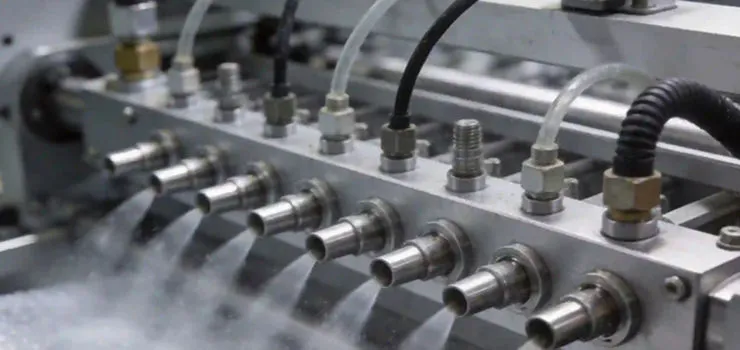
Air pressure consistency is critical for maintaining uniform bubble formation. Proper bubble uniformity adjustment requires stable airflow through every channel in the manifold system. Pressure fluctuations cause bubbles to form at different rates, leading to size variations that compound throughout the production run.
During machine operation, observe the pressure gauge connected to your bubble forming system. Watch for needle oscillation exceeding 0.05MPa, which indicates unstable air supply. Frequent fluctuations suggest problems upstream, commonly including moisture accumulation or valve malfunctions in the compressor system.
Check the air receiver tank drain valve first—this is often the culprit behind pressure instability. A clogged drain valve prevents proper condensate removal, causing water to enter the air lines and create unpredictable pressure spikes. Open the valve and drain the tank completely, then monitor pressure stability over the next 30 minutes of operation.
After shutting down the machine, disassemble each bubble-forming nozzle from the manifold system. Use compressed air to blow through each nozzle in reverse direction, clearing any accumulated debris or polymer particles. For nozzles with orifices smaller than 1mm, use appropriately sized needles to carefully clear obstructions without damaging the precision openings.
Inspect the manifold channels for buildup that could restrict airflow. A partially blocked manifold creates differential pressure across channels, resulting in exactly the kind of bubble size inconsistency you're trying to eliminate. Document any nozzles requiring replacement due to wear or permanent damage.
The relationship between extruder screw speed and melt pump output determines how consistently polymer enters the bubble forming zone. Bubble uniformity adjustment through proper speed synchronization prevents both under-filled and overstretched bubbles that cause size variation.
Most bubble film machines operate optimally with a screw-to-pump speed ratio between 1.2:1 and 1.5:1. This ratio ensures consistent melt delivery without overwhelming the forming system. Test in increments of 0.05 ratio, allowing 5 minutes of stable operation before evaluating results.
Watch bubble height as you adjust—if bubbles become too full and start rupturing, your ratio is too high. Conversely, shrunken, underinflated bubbles indicate insufficient melt supply. The optimal setting produces tall, evenly sized bubbles that maintain their shape throughout the cooling process.
Fix your extruder screw speed at a baseline value, typically 60rpm for standard LDPE production, and incrementally increase melt pump speed by 5rpm every 10 minutes. Maintain detailed logs of pump RPM versus observed bubble characteristics. Identify the critical point where bubbles begin showing signs of instability, then reduce pump speed back to the last stable setting with a 3-5% safety margin.
This methodical approach creates a documented parameter map for your specific material grade and production conditions, making future troubleshooting faster and more reliable.
Material quality directly affects bubble formation consistency. Contaminants and moisture in your polymer resin create nucleation points that disrupt uniform bubble growth, leading to unpredictable size distribution in your finished film.
Collect a 500g sample from your current material batch and pass it through a 40-mesh sieve. Weigh any residue remaining on the screen. If foreign particle contamination exceeds 0.5% of total sample weight, investigate your material handling process.
Check the hopper magnet assemblies and screen filters at the feed throat—these should capture metallic contaminants before they enter the extrusion system. Examine your storage conditions for potential contamination sources, including dust, packaging debris, or residual material from previous production runs.
Use a moisture analyzer set to 180°C with a 10-minute drying cycle to measure resin moisture content. Polyethylene with moisture levels above 0.1% will experience steam generation during extrusion, creating erratic bubble formation that manifests as severe size variation.
If moisture content exceeds acceptable limits, implement a predrying protocol: spread resin in shallow trays and heat at 60°C for a minimum of 2 hours. Allow the material to cool in a sealed container before use to prevent reabsorption of atmospheric moisture.
Follow this decision tree in sequence to systematically diagnose bubble size inconsistency:
1.Check die head temperature differential → Temperature variation >±2°C detected?
2.Verify air pressure stability → Pressure fluctuations >0.05MPa observed?
3.Test screw-to-pump speed ratio → Ratio outside 1.2:1 to 1.5:1 range or bubbles unstable?
4.Inspect raw material quality → Contamination >0.5% or moisture >0.1%?
A: Yes, after 5+ years of continuous use, die lip wear can cause flow variation. A surface roughness test (Ra >0.8μm suggests need for refurbishment.)
A: Every 200 production hours or when you first notice bubble height variation >±15%.
A: No. Check first if the batch of resin has a different melt flow index (MFI) than your standard spec (e.g., MFI changes from 2.0 to 2.8).
Addressing uneven bubble size on your bubble film machine requires a methodical approach covering four critical areas: temperature uniformity, air pressure stability, mechanical synchronization, and material quality. In practice, approximately 80% of bubble inconsistency issues are resolved through the first two inspection steps—die head temperature control and air pressure consistency verification.
Don't let inconsistent bubble size affect your production quality and material costs. Download our complete Bubble Film Machine Troubleshooting Checklist to have a printable reference guide ready for your maintenance team. If you need customized parameter templates for your specific machine model or material grades, contact our technical support team for a consultation.
Start with the systematic checks outlined in this guide, and you'll be back to producing uniform, high-quality bubble wrap in no time.